Starting a yoga teacher training is certainly one of the most transformative life experiences.
To get the most out of it, here’s a few things to prepare in advance:
1. Brush up on your English
If you’re doing a yoga teacher training in English, but English is not your first language, you might want to brush up on your grammar and vocabulary. Anatomy studies are an integral part of any YTT, and knowing the right terms for different body parts is essential. I know a lot of non-native speakers in my class struggled with this because, on top of standard vocabulary (joints, muscles, knees, etc.) you’ll be learning a lot of technical terms (tibia, fibula, etc.).
For me, as a native Bulgarian speaker, I used the Anglio.bg platform to improve my English ahead of the course. The step-by-step course helped me progress in a structured and predictable way.

2. Start up on your reading
During yoga training, between classes, study notes, and being physically exhausted from the experience, you might struggle to find time to complete your compulsory reading. Check with your course on the specific books they recommend. If they’re not mentioning anything specific, you can email them or check this comprehensive list of yoga books recommended by fellow yogis. If you’d read just a couple of books, I advise you to choose one on yogic philosophy and one that focuses on anatomy or asanas. This way, you’ll have a well-rounded preparation.
3. Plan your time in advance
Whether you’re doing a yoga teacher course from the comfort of your own home or flying to India for a stay-in YTT experience, you’d need to plan your other commitments accordingly. If possible, I strongly advise you to take this time just for yourself and your practice, so you can fully immerse yourself. However, I know for many of us it’s not an option to turn off certain obligations. If that’s you – plan ahead: who’s going to be taking the kids from school, who’s going to be prepping dinner if you’re busy with classes, who’s going to be covering you at work if you take a day off, etc. This prep work will give you the mental space to focus on your training.
4. Have a regular physical practice
YTT can be intense, especially if you’re not used to a regular practice. While in Rishikesh, India, for my 200h YTT, I had two daily classes of yoga asana – 90 minutes in the morning and 90 more in the afternoon. I was studying Ashtanga and Vinyasa, which made the experience all the more challenging. But even if you’re taking a Hatha or Yin training, without a regular physical regimen, you’ll find it hard to get through the training. Start as soon as you can, so you can prepare your body.
4. Have a regular physical practice
YTT can be intense, especially if you’re not used to a regular practice. While in Rishikesh, India, for my 200h YTT, I had two daily classes of yoga asana – 90 minutes in the morning and 90 more in the afternoon. I was studying Ashtanga and Vinyasa, which made the experience all the more challenging. But even if you’re taking a Hatha or Yin training, without a regular physical regimen, you’ll find it hard to get through the training. Start as soon as you can, so you can prepare your body.
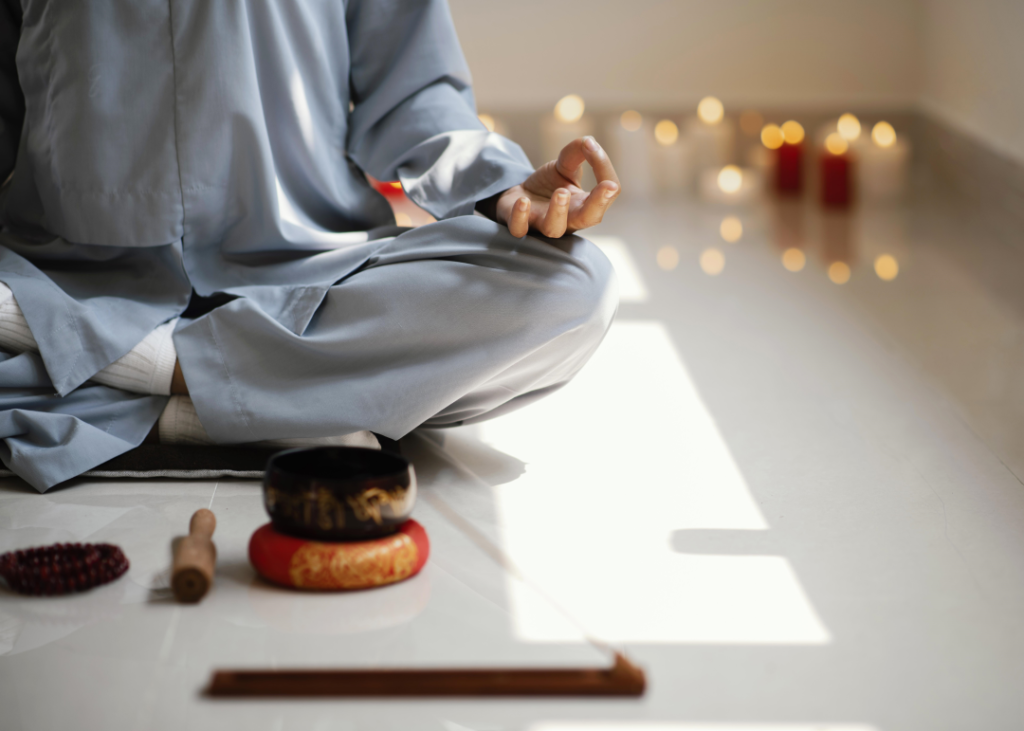
6. Get in the right mindset
Yoga Teacher Training is a truly special experience, and you need to be in the right mindset to be present and get the most out of it.
First and foremost, go with an open mind. Forget everything you’ve learned before and start with a blank canvas. I didn’t keep all that I learned during YTT with me because the yogic world is full of woo-woo science that doesn’t actually hold up in the real world. But keeping my mind judgment-free during the course helped me absorb all the useful information, without being discouraged by the non-factual claims.
During training, I first crossed paths with people who were way ahead of me in their physical practice. For one, I couldn’t do a crow pose, headstand, or anything remotely as fancy. Truth is, you don’t necessarily need any of these to teach yoga. Most students are looking for an accessible way to take care of their minds and bodies, not for acrobatic training. But above all, be gracious with yourself, accept where you are in your journey, and let comparison go.
Finally, understand that YTT will have its challenging moments. Some of the students I was taking the course with struggled with the Sanskrit names of asanas. I had a particularly challenging experience after an Osho meditation. The challenges will be different, and they’re a part of this growth journey. Don’t give up or beat yourself up. Accept them and enjoy them. Each challenge is leading you to become a better person, and ultimately, a better yoga teacher.